
For many older adults, the cognitive benefits of walking for seniors is more than just a simple exercise. It’s a cornerstone of wellness that supports physical, emotional, and cognitive health.
At Cappella Pueblo West, walking plays a key role in our approach to healthy aging, blending movement, social connection, and intellectual engagement as part of our Five Pillars of Wellness within the Rhythms of Life Enrichment program.
Regular walking helps seniors stay active, improve mobility, and maintain independence, but its benefits extend well beyond the body. Studies continue to show that consistent walking also supports brain health, helping to boost memory, concentration, and creativity, all vital aspects of cognitive fitness.
How Does Walking Boosts Brain Health?

Walking naturally stimulates blood flow to the brain, delivering oxygen and nutrients to help improve mental clarity and reduce cognitive decline. Even short, brisk walks have been shown to increase brain activity, which can enhance mood, attention, and problem solving ability.
According to the Alzheimer’s Society, walking and other forms of aerobic exercise can help reduce the risk of dementia by up to 30%. Even short, brisk walks have been shown to increase brain activity, which can enhance mood, attention, and problem solving ability. It’s a simple, yet powerful habit that encourages both mental alertness and emotional balance.
Further, exercise helps the brain by:
- Stimulating blood flow to the brain, delivering oxygen and nutrients to help improve mental clarity and reduce cognitive decline.
- Reducing inflammation in the brain, which is often linked to Alzheimer’s disease.
- Enhancing balance and reducing fall risk.
- Improving sleep quality and reducing stress, two factors important for cognitive health.
At Cappella Pueblo West, residents often discover that walking with friends or listening to music transforms exercise into a joyful daily ritual—supporting physical strength and cognitive fitness for older adults, illustrating how the Intellectual and Physical Pillars of wellness work together.
What are the Social and Emotional Benefits of Walking?
Beyond the cognitive benefits of walking for older adults, it can be one of the most social forms of exercise. Whether strolling with a friend, joining a walking group, or simply greeting neighbors around the community, each step provides an opportunity for connection.
Social interaction helps combat loneliness and isolation, two major factors that can impact mental and emotional well-being in older adults. Cappella Pueblo West residents meet regularly to walk the grounds, share stories, and enjoy the beautiful Colorado landscape. This daily rhythm not only promotes physical health, but also reinforces community bonds and emotional fulfillment.
Strengthening the Mind with Every Step

Walking is one of the most effective ways to support long-term brain function. Research has found that consistent walking helps stimulate the growth of new neural connections, particularly in the hippocampus, which is the area of the brain responsible for memory and learning.
For aging adults, regular walks can help:
- Boost memory and recall: The increased blood flow and oxygen to the brain supports the formation and retrieval of memories.
- Enhance focus and attention: Walking increases dopamine and serotonin levels over time, improving concentration and overall mental clarity.
- Reduce stress and anxiety: Gently, rhythmic movement helps regulate mood, calm the nervous system, create a state of relaxation that benefits long-term emotional and cognitive well-being.
- Encourage creativity and problem-solving: A variety of studies show that walking can improve creative thinking by as much as 60%, helping individuals think more freely and connect ideas.
These long-term benefits show how something as simple as walking can act as a natural form of cognitive training. At Cappella Pueblo West, residents experience this firsthand. Many find that their daily walks spark new ideas, conversations, and even friendships.
It’s another reminder that cognitive health doesn’t always require a classroom or a puzzle.Sometimes, it’s just a comfortable pair of shoes and a walking path.
The Importance of Consistency for the Cognitive Benefits of Walking
Walking is most beneficial when it becomes part of a regular routine. The Centers for Disease Control and Prevention (CDC) recommends at least 150 minutes of moderate-intensity exercise per week, or roughly 20 minutes per day.
They also suggest at least 2 days of activities that strengthen muscles and improve balance, such as standing on one foot or marching in place. The CDC provides many examples of how to fit walking and other exercise into a weekly and daily routine.
Walking is one of the easiest ways to meet those goals. The various benefits, including the cognitive benefits of walking, accumulate over time, especially when walking is paired with a form of mental engagement.
In efforts to promote the physical and cognitive benefits of walking, Capella Pueblo West offers:
- Organized walking groups that keep each other motivated to stay active
- Scenic paths and landscaped outdoor areas to provide a safe and enjoyable environment
- Fitness classes and other special events tailored to the needs and abilities of residents
What Alternatives Are There for Walking During Inclement Weather?
Colorado’s seasons bring plenty of sunshine, but there are still days when walking outdoors isn’t feasible or ideal.
During those times, there are many creative ways to stay active and engaged outdoors:
- Indoor walking routes: Hallways or open community spaces can easily become walking loops.
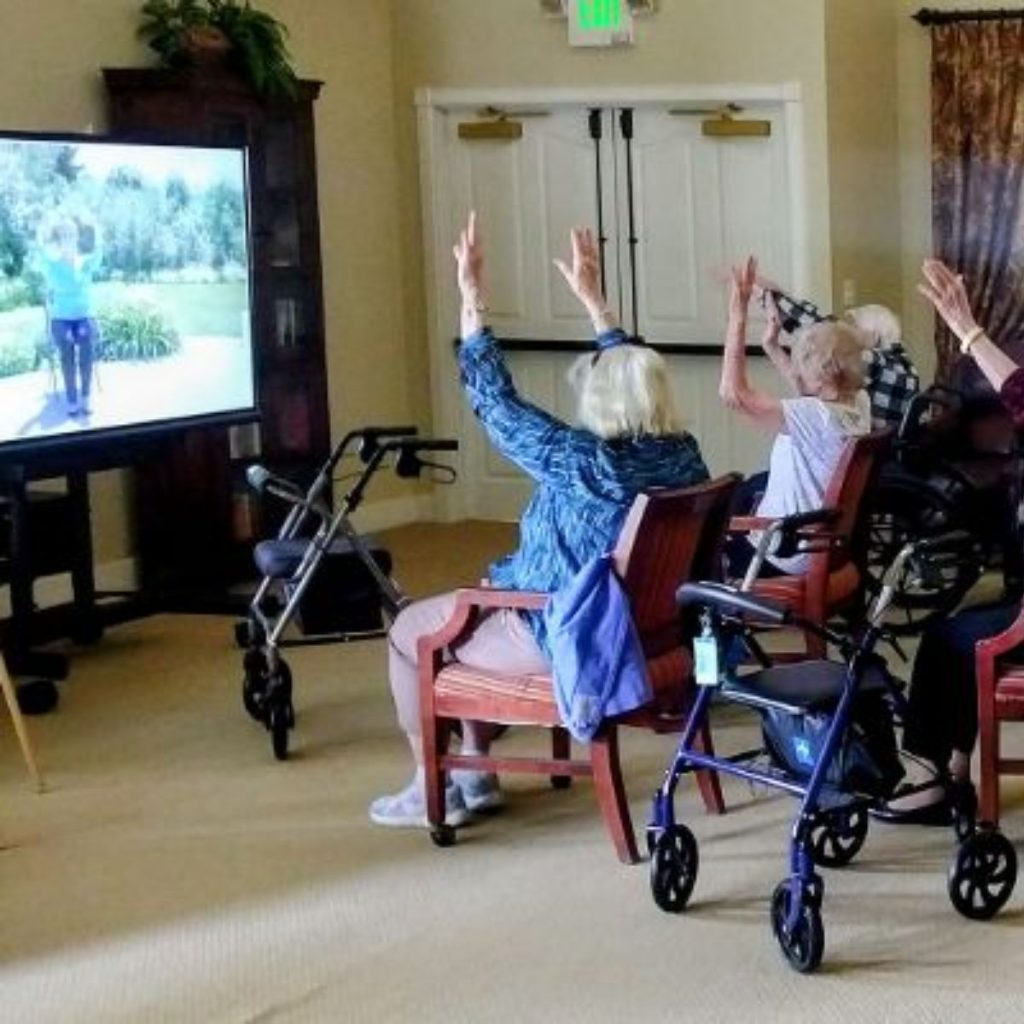
- Chair exercises or balance classes: Gentle movements improve strength and coordination.
- Music and movement sessions: Dancing or stretching to favorite tunes combines joy with fitness.
- Virtual fitness apps: Guided indoor walks or low-impact exercise programs can be streamed from tablets or TVs.
- Check out this article about Healthy Aging with Physical Activity and Technology
- Mall or community walking: a great option for those who prefer and indoor change of scenery.
At Cappella Pueblo West, we make it easy to adapt to the weather, whether through scheduled indoor activities or personalized care plans that include exercise and walking to keep residents moving safely year-round.
How Does Walking Reflects the Five Pillars of Wellness?

At Cappella Pueblo West, walking naturally ties into all Five Pillars of Wellness, making it a powerful, holistic activity:
- Social: Walking with others builds friendship and belonging.
- Intellectual: Engaging conversations or mindful walking stimulate the brain.
- Physical: Improves endurance, mobility, and strength.
- Purposeful: Encourages goal-setting and self-confidence through small achievements.
- Spiritual: Creates time for reflection, gratitude, and mindfulness in nature.
Every walk is an opportunity to nurture the body, mind, and spirit; a reflection of our belief that wellness is a lifelong journey.
Discover Walking Opportunities at Cappella Pueblo West
From group walks around our beautiful campus to individual fitness programs, we encourage residents to move at their own pace and find joy in the journey.
Walking is more than just exercise – it’s a shared experience that supports connection, independence, and cognitive vitality.
Get in touch with us to learn more about our Rhythms Life Enrichment programs, or explore our related articles below on how walking supports both physical and cognitive wellness: