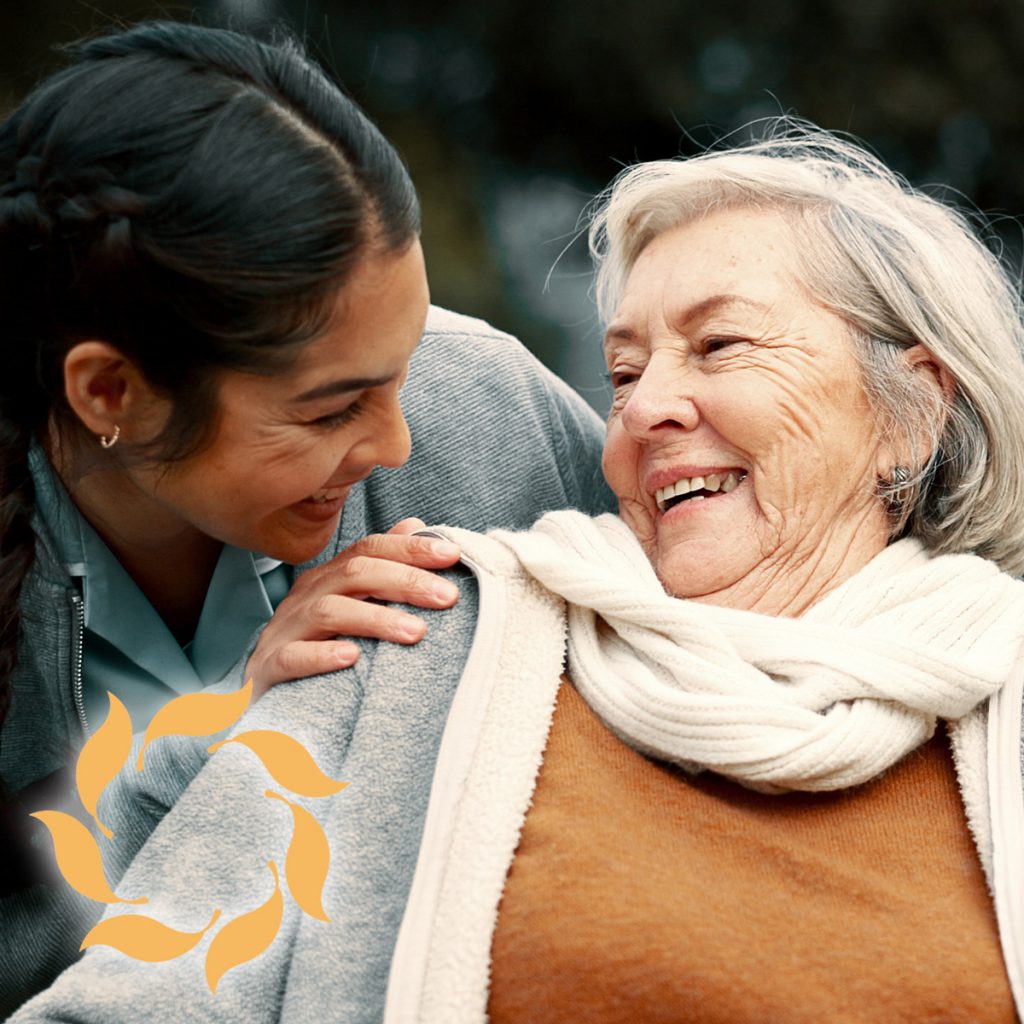

Connecting generations through stories happens each time an older adult shares a memory with someone younger, and both people walk away changed. It’s not just information passing from one generation to the next. It’s a bond.
Children are wired to learn through storytelling, and not just in the traditional sense. Whether it comes from a parent, grandparent, a sibling reading a bedtime fairy tale, or a song playing in the car on the way to school; children take in these stories and the lessons that come with them in many forms.
That pull toward the story does not fade with age, and its reach extends further than most people realize. Research from Emory University’s Family Narratives Lab, led by psychologist Robyn Fivush, found that children and teens who know more of their family’s history show higher self-esteem, lower anxiety, and greater resilience during hard times. The benefit outlasts the person who told the story in the first place, which is what makes an older adult’s stories worth more than just the moment they are told.
Connecting Generations Through Stories Starts With Community
Community forms when two or more people find a way to coexist, often by working through differences or leaning on what they share. In senior living, that community usually starts with location and stage of life. Some residents live independently, others need help with daily tasks in Assisted Living and some need Memory Support because of cognitive decline or advanced dementia.
Despite these differences, residents who lived through the same world events, technological shifts, and cultural change each carry their own version of that history. That individual perspective is what turns a shared past into a story worth telling, and it gives residents a real sense of purpose in the later stages of life.
How Do Older Adults’ Stories Shape The World Around Us?
Just as ancient communities passed wisdom from elders to the young, older adults today still shape the world by sharing what they have lived through, and the practice benefits them as much as it does the listener. Harvard’s decades-long Study of Adult Development found that older adults who practice generativity, meaning they invest their time and knowledge in the next generation, were three times as likely to describe themselves as happy compared to those who did not. Normal aging, physical limits, or dementia do not erase that value.
A 2008 Johns Hopkins study on the Experience Corps program, which pairs older adults with elementary school children, found similar results in a more measurable form: after six months of tutoring, older volunteers showed real gains in executive function and memory. Columbia Dean Linda Fried, whose Mailman School of Public Health helped lead the research, described the effect simply. The work “dusted off the cobwebs” in participants’ brains.
The Power Of In-Person Storytelling
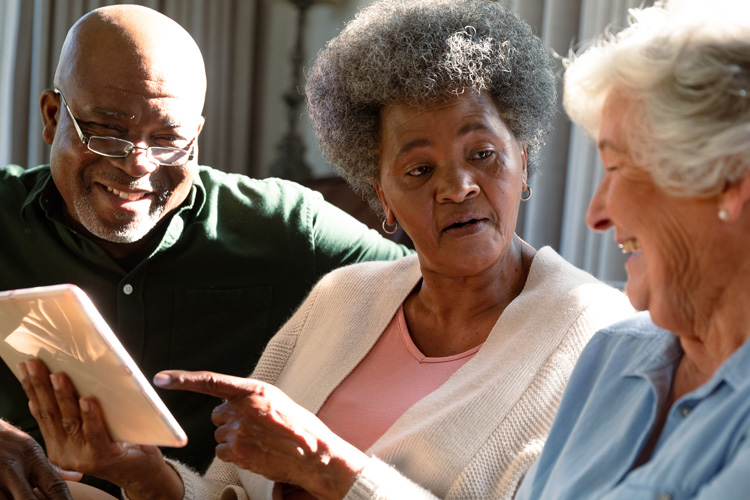
A documentary or a historical novel can teach you about the past, but it cannot show you a person’s face while they relive it. Watching someone’s expression as they describe surviving a war, or losing a child, brings you closer to the truth of that moment than any book can.
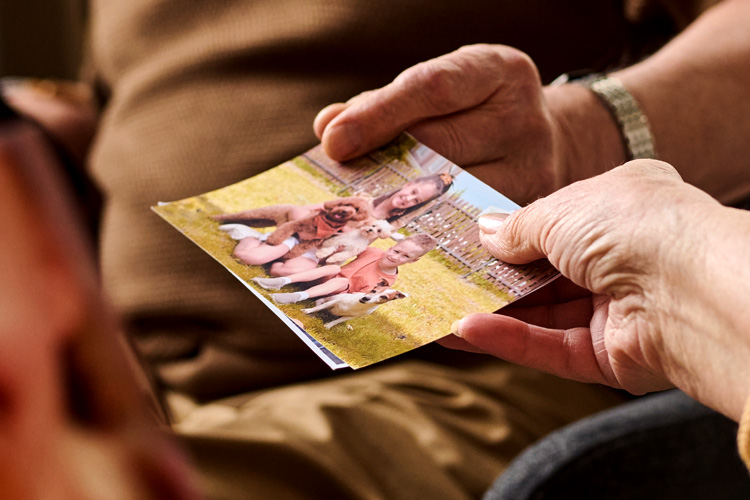
These conversations are not one-sided. Residents feel pride in knowing someone wants to hear what they have to offer, the same instinct that leads most older adults to hold onto photo albums for decades. A story, once told and heard, becomes part of how both people remember the past.
How Do Residents At Cappella Of Pueblo West Share Their Stories?
Before a new resident moves in, Cappella of Pueblo West implements the Rhythms Life Enrichment program to complete a “Rhythms of My Life” history interview. That information shapes our life enrichment programming, eases the emotional weight of move-in, and helps our team know residents beyond a clinical chart. It is often the unscripted conversation, not the interview itself, that builds the strongest bond between a resident and the neighbors and caregivers who become their new family.
How Does Connecting Generations Through Stories Preserve Family History?
Older adults can preserve their life stories through recorded audio interviews, video legacy projects, written memoirs, and guided storytelling apps, and each format suits a different kind of storyteller.
- Recorded oral history. A simple audio recording of a resident answering a handful of guided questions creates a lasting archive that family members can return to for years.
- Video legacy projects. A recorded conversation captures tone of voice and facial expression, which is often what makes a memory land for the listener the way in-person storytelling does.
- Written and guided memoirs. Subscription services such as StoryWorth, MyStories, and Remento send a new question each week and turn the answers into a finished, printed keepsake book. Remento also records the spoken answer and prints a QR code next to each chapter, so family members can hear the story in the resident’s own voice.
- Family history interviews. AARP recommends starting with a smartphone recorder and a short list of open-ended questions rather than a single broad ask.
That benefit is not just anecdotal. A 2025 meta-analysis in Age and Ageing reviewing 22 studies and nearly 1,800 older adults found that reminiscence therapy, guided conversation about past experiences and memories, produced a significant reduction in loneliness. Group settings outperformed one-on-one sessions, and sessions led by trained facilitators outperformed both.
Where To Start Preserving A Loved One’s Story
Pick one method instead of trying all four at once. A smartphone voice memo of a single story, recorded during a regular visit, is enough to start. Ask one specific question, such as “What is the hardest thing you ever did?” instead of “Tell me about your life,” and let the answer lead the conversation from there.
What Does Citizenship Look Like At Cappella Of Pueblo West?
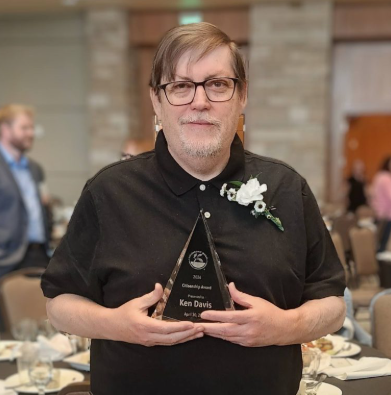
Citizenship at Cappella of Pueblo West means residents get a voice, a choice, and a say in the life of their community, not just a room in it. That idea sits at the heart of CLC’s Citizenship Model of Community Living, and this year it took a new form: the first-ever CLC Citizenship Award, presented at the 2026 Founders Day Breakfast on May 6 to a Cappella of Pueblo West resident whose personal motto, “find a way,” has shaped his entire life: Ken Davis.
Ken grew up in Northern California with four brothers, watching his parents open their home to men sleeping along the nearby riverbanks, sharing meals and helping them find work. At 16, he joined the Royal Rangers program through his church and found a passion for helping people with mental disabilities, a commitment his high school sweetheart, Pam, shared completely.
The two married and spent the next decades filling whatever need their church community had, from directing Christmas pageants with casts of 100 or more to raising two sons and a daughter inside that same tradition of service. Drawing on more than 20 years of hands-on repair work, Ken and Pam later managed low-income housing properties together, Pam in the front office and Ken keeping the buildings running, always with compassion and respect for the people they served.
Ken was married to Pam for 31 years before her passing. He eventually moved to Colorado and made Cappella of Pueblo West his home nine years ago, carrying the same belief that you only get out of a community what you put into it.
That belief shows up daily. Ken calls out dice rolls for a blind neighbor and tracks down large-print cards and numbered dominoes so no one is left out of game night. He helped a neighbor recovering from a stroke work her way back to bingo, and now helps her manage up to nine cards a game.
He reads to residents who cannot see, plays on behalf of those who cannot physically take part, and makes sure residents who cannot hear are never left out of the conversation. He also sits on the interview committee for new hires and completed a three-day Eden Alternative Associate certification to keep championing the kind of culture that makes all of this possible.
One resident wrote in Ken’s award nomination, “I have never seen an individual so dedicated to spreading such selflessness to his neighbors.” Ken says the shift from resident to citizen changes everything: caring about others, getting involved, having a voice and a choice. Cappella of Pueblo West is proud to call him its first CLC Citizenship Award recipient, living proof that community is not something residents simply live in. It is something they build together.
Stories Build The Capella Of Pueblo West Community
At Cappella of Pueblo West, we see residents as people first, not patients and not case files. The wisdom they pass down through the story builds the bonds that make our community strong, from a resident like Ken Davis living out “find a way” every single day, to a quiet conversation between a resident and their grandchild about growing up.
Built on empathy, compassion, and friendship, we believe people live longer, healthier lives when they stay connected to others in meaningful ways. Connecting generations through stories is one of those ways, and it is happening here every day.
If you would like to hear more stories like Ken’s, come visit Cappella of Pueblo West and meet the people who are living them.